Ground Beef Enchilada Bake
Highlighted under: Traditional Comfort Food Ideas
Ground Beef Enchilada Bake
Ground Beef Enchilada Bake
Ground Beef Enchilada Bake
Ingredient Insights
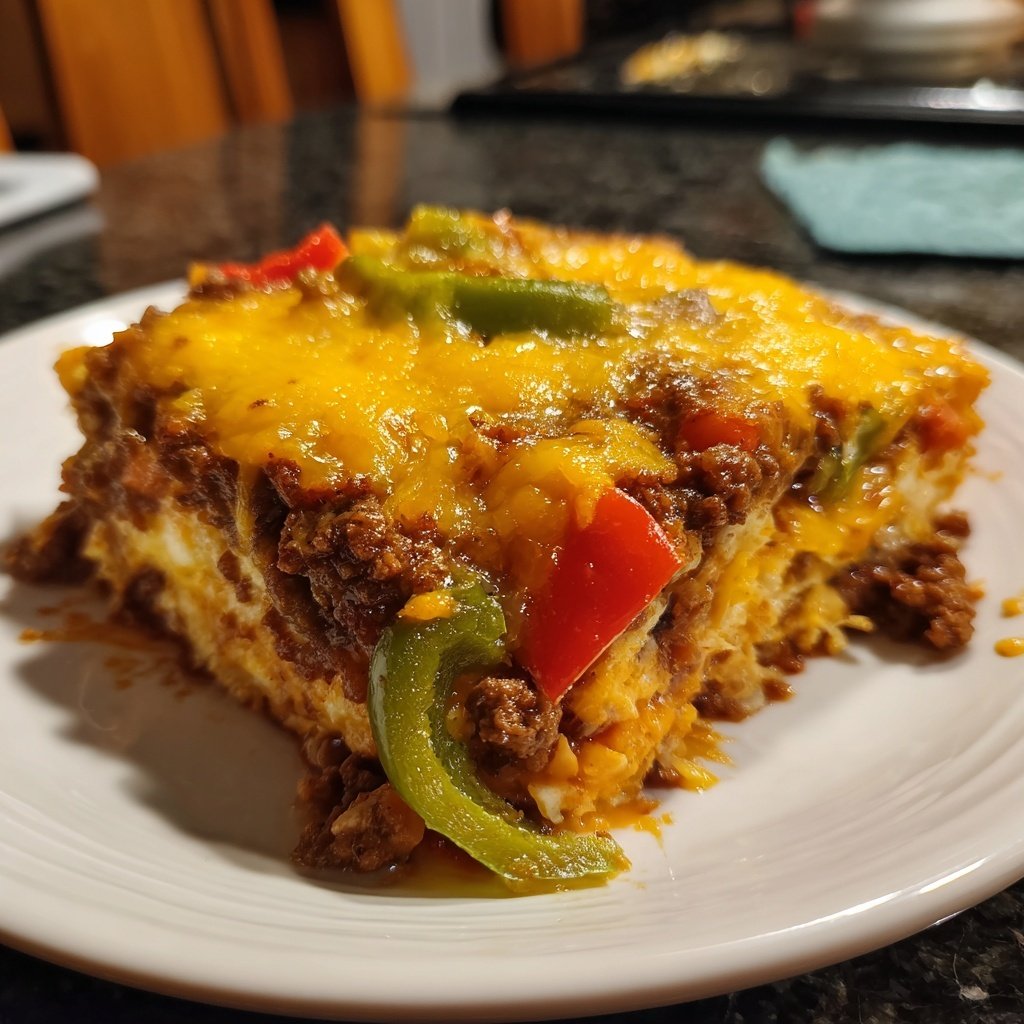
The star of the Ground Beef Enchilada Bake is, of course, the ground beef. Choosing the right fat content can make a difference; I recommend using 80/20 ground beef for a juicy yet not overly greasy dish. This fat ratio allows for enough moisture during cooking, which prevents the bake from turning out dry. If you prefer a leaner option, turkey or chicken can be used; just be mindful of seasoning to enhance the flavor profile.
Another essential ingredient is the enchilada sauce. Homemade sauce offers the freshest flavor, and you can adjust the heat level to your liking. If you're short on time, store-bought sauces work well too. Just be sure to select one that doesn't contain added sugars or preservatives for the best flavor. The sauce not only infuses the beef with a savory depth but also helps keep the layers moist during baking.
Baking Tips
When layering your enchilada bake, start with a thin layer of sauce on the bottom of the baking dish. This will prevent sticking and keep the bottom tortillas from becoming overly soggy. As you layer, make sure to slightly overlap the tortillas and spread the filling evenly to maintain structural integrity. A good rule of thumb is to keep one cup of sauce reserved for the top layer to achieve that glossy finish when it comes out of the oven.
Baking time is crucial for achieving that perfect gooey cheese without drying out the layers. I recommend baking at 350°F (175°C) for about 25-30 minutes. Keep an eye on it; once the cheese starts bubbling and the edges of the dish become golden, it’s a sign that your bake is ready. Allowing it to rest for 10 minutes before serving will help the layers set, minimizing the risk of a messy slice!
Serving Suggestions
This Ground Beef Enchilada Bake is versatile in its serving options. For a complete meal, pair it with a fresh side salad topped with avocado and lime vinaigrette. The freshness of the salad cuts through the richness of the cheese, creating a balanced meal. Alternatively, serve it with Mexican rice or refried beans to soak up more of that delicious enchilada sauce.
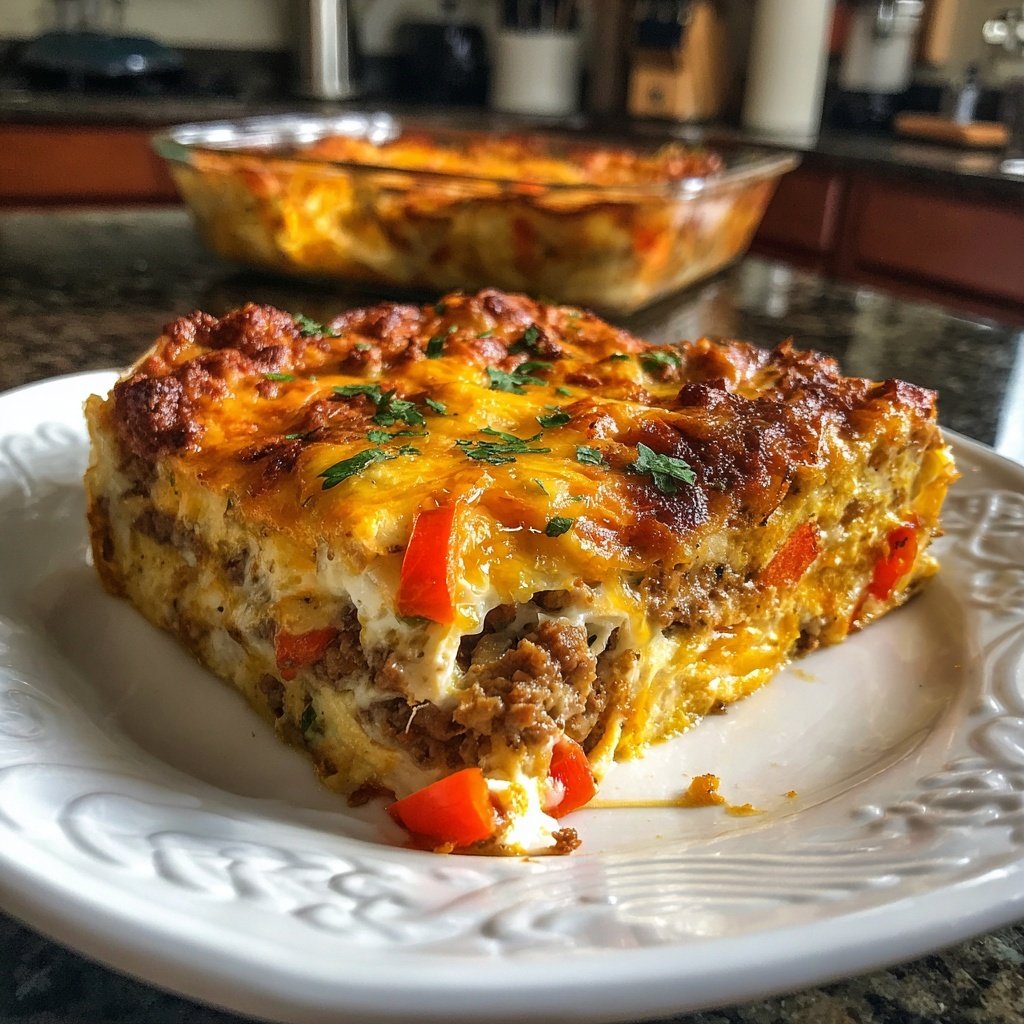
If you have leftovers, this dish reheats wonderfully. Store any extras in an airtight container in the refrigerator for up to three days. Simply reheat in the oven at 350°F (175°C) covered with foil to retain moisture. For freezing, cut into individual portions and wrap them tightly in plastic wrap, then foil. They can be frozen for up to three months. When ready to eat, thaw overnight in the fridge and reheat until bubbly!
Storage Tips
For best results, store leftovers in an airtight container to maintain flavor and texture. It’s ideal to consume the enchilada bake within three days, as the tortillas can become soggy over time when stored. If you want to prepare it ahead of time, you can assemble the dish and refrigerate it before baking. Just make sure to cover it tightly to prevent it from drying out.
If you've already baked the dish and have leftovers, let it cool completely before transferring to a container. This helps prevent condensation which can make the tortillas mushy. Reheating a previously baked enchilada on a baking sheet in the oven, covered with foil, ensures it heats evenly and retains its original texture.
Variations to Try
For a vegetarian version, swap the ground beef for black beans or lentils and add extra vegetables like bell peppers or zucchini. They not only increase the nutritional value but also add a delicious texture. Just make sure to sauté the vegetables beforehand to remove excess moisture before layering them in the bake.
Spice enthusiasts can amp up the flavor with additional spices such as cumin, smoked paprika, or even a dash of cayenne pepper. Incorporating a layer of jalapeños in between can add the perfect kick—it’s all about personal preference with this adaptable recipe!
Common Troubleshooting
If your enchilada bake comes out too dry, it could be that the tortillas used absorbed too much moisture during baking. To combat this, consider slightly undercooking the tortillas before layering, as they will continue to absorb moisture while in the oven. You can also add extra enchilada sauce to maintain moisture throughout the dish.
On the other hand, if the bake is too soggy, it might be caused by the filling being too watery. Ensure that any vegetables you add are sautéed or drained well to remove excess liquid. Checking heat levels while baking can also prevent sogginess; it’s better to cook slowly so the layers settle without swimming in sauce.